Choose your time boundary
Decide when you will review fixtures, roles and squad questions, then close the tab when that window ends. A clear stopping point makes room for the rest of the week.
Independent Fantasy Premier League desk
Cobalt XI is an independent editorial desk for Fantasy Premier League 2026/27. We turn fixture swings into clearer questions: what changes in the schedule, which assumptions still need checking, and how much risk belongs in your squad?

A fixture swing can change the conversation, but it should begin a review rather than end one. Use the schedule as your starting point, then make the reasoning visible before choosing a path.
Cobalt XI keeps its analysis grounded in the evidence available for the question at hand. The aim is a sharper decision process, not a promise about the outcome.
A practical boundary
Fantasy football works best as recreational play. Set personal limits before a busy round, so your planning remains useful without taking over your time or attention.
Set your play limits
Decide when you will review fixtures, roles and squad questions, then close the tab when that window ends. A clear stopping point makes room for the rest of the week.
FPL is free-to-play. The £100m figure is an in-game budget for your 15-player squad, not money you deposit or spend. Keep the planning focused on squad value, player prices and transfers.
After the round, result to the evidence and the question you started with. A result can be pleasing or frustrating without proving that the process was sound.
Fixture swing guide
In Fantasy Premier League 2026/27, a fixture swing is a period when the relative difficulty of upcoming fixtures changes enough to inform squad planning. Treat it as a prompt to compare evidence, not as a shortcut to a single answer.
Check the scoring rule
Mark the fixtures that have changed the conversation, then ask what the change actually affects. Is the useful angle captaincy, a transfer decision, a starting XI choice or the balance of the bench? Keep the evidence type clear: fixture first, then role, minutes or squad constraint.
Bukayo Saka is a useful timeless example when discussing an attacking midfielder, captaincy appeal and involvement from wide areas. The fixture evidence may open the question; the role evidence explains why it is worth asking. This is an editorial example, not a current availability claim.
Erling Haaland offers a timeless way to examine forward selection, captaincy concentration and premium squad allocation. Mohamed Salah gives a separate comparison point for elite attacking output, captaincy choices and fixture-led selection. Put both examples through the same fixture, role and squad-constraint questions.
Scoring explainer
The same match evidence can mean different things across positions. This sequence moves from the attacking action to the rule that gives it context, then to the minutes question that can shape a defensive comparison.
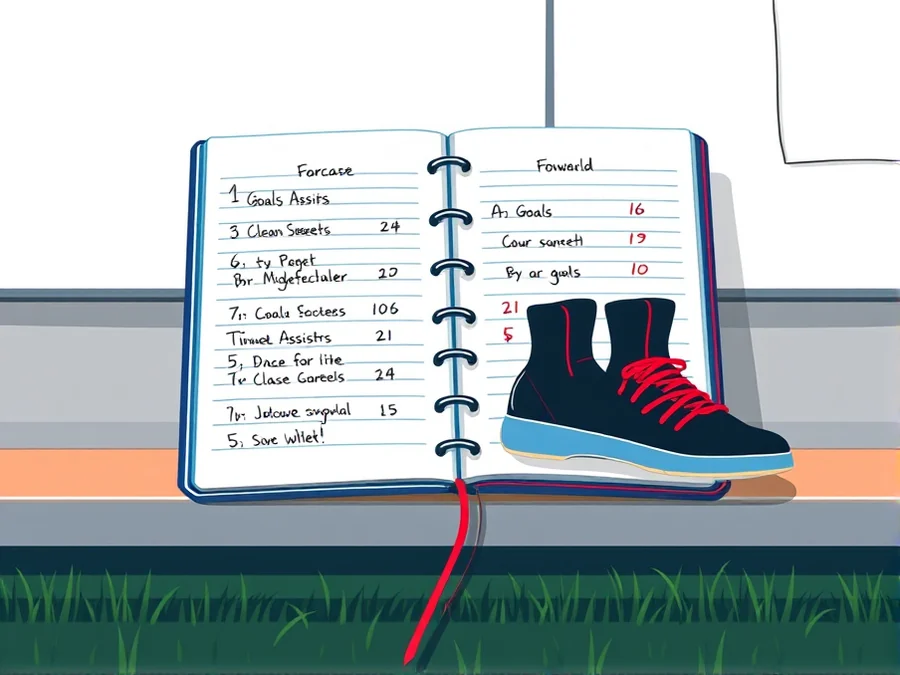
Start with the listed position, not just the finish. A goal from an attacking midfielder belongs to a different scoring conversation from a goal by a forward. The useful note is how position changes the reading.
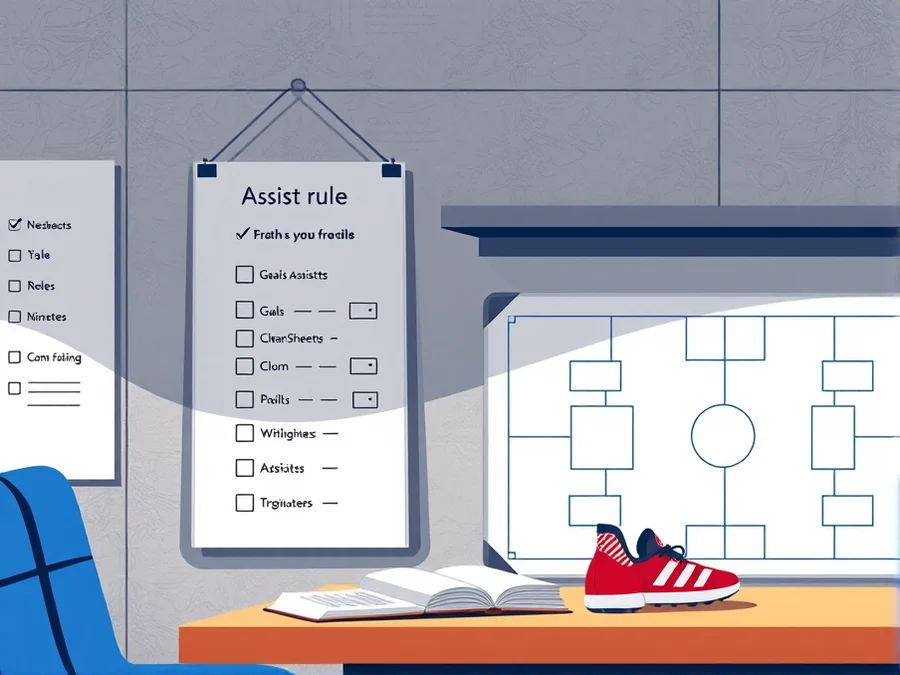
For Fantasy Premier League 2026/27, use the published assist rules to separate a shortlist signal from a simple chance-creation count. Record the assist context, apply the relevant rule and note what still depends on interpretation.
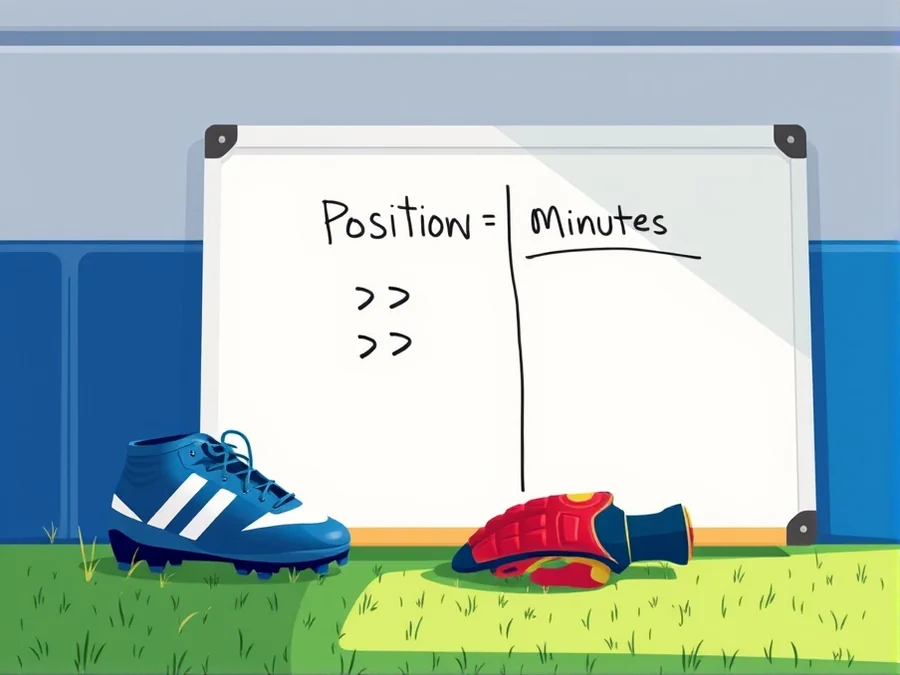
A defensive comparison asks whether the player can contribute to a clean sheet and whether the expected appearance is long enough for that scoring route to matter. William Saliba and David Raya offer timeless examples for that comparison.
Editorial proof panel
A useful squad decision begins by naming the constraint that matters most. Starting players, substitutes, position limits and the available budget shape the route, while fixture, role, minutes and scoring-rule evidence help explain which option fits.
Send a question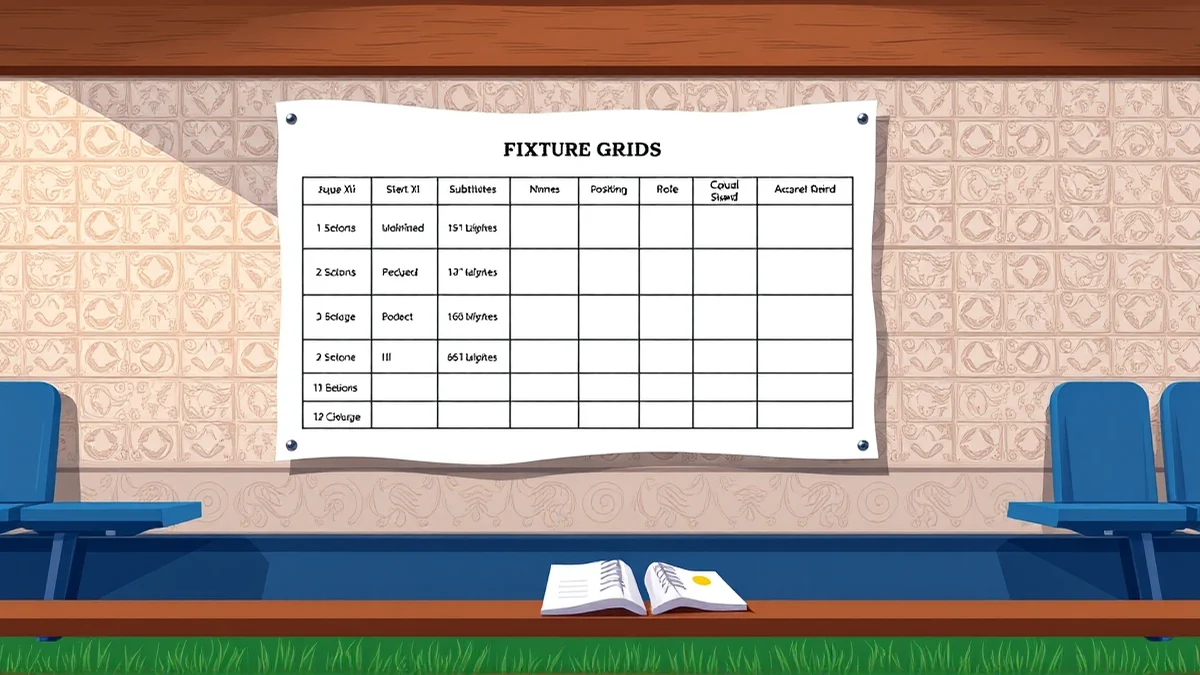
Write the question before weighing a player: is the issue a fixture, role, minutes, scoring rule or squad constraint? Then mark the starting XI, substitutes, position limits and available budget.
Cobalt XI is an independent editorial product, so each note should show its evidence and label its interpretation. Fantasy Premier League remains the central touchstone, alongside recognised genre discussion from Fantasy Football Scout and The Athletic FPL Podcast.
Review the preferred route against the substitutes and position limits, then note the consequence if the available budget cannot support it. This keeps one headline selection from deciding the whole squad.
Decision checklist
Turn a broad prompt into one next check: compare the relevant fixture, role, minutes, scoring rule or squad constraint before a captaincy call, transfer discussion or shortlist review. Keep each choice conditional and recreational for Fantasy Premier League 2026/27.
Write the choice as one clear question, then identify whether the key evidence is a fixture, role, minutes, scoring rule or squad constraint.
Record the strongest reason for each captaincy or transfer option, then note what remains uncertain before choosing between them.
Test one alternative before committing: ask whether the same choice still works if minutes, fixture context or another squad constraint changes.
Record the uncertainty that would change a captaincy or transfer choice, then identify the next fixture, role, minutes, scoring-rule or squad-constraint check.
Ask the desk
Use the form to share the choice you are weighing up and the context that would help us understand your question.